How To Get Your Logo To Show Up In Your Recipient's Inbox
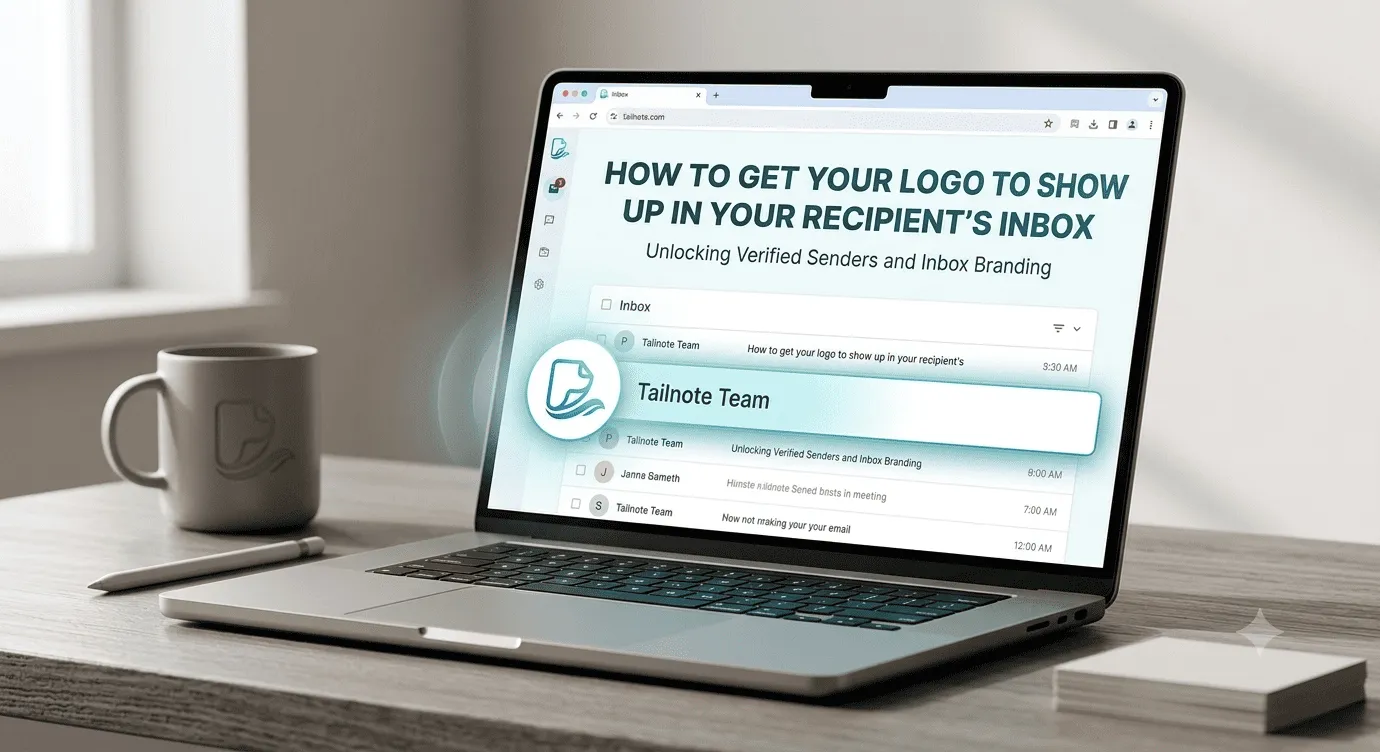
Understanding BIMI: A Deeper Dive
Brand Indicators for Message Identification (BIMI) is not just a technical specification; it is a strategic advantage in email marketing (check your BIMI settings). By allowing logos to appear alongside emails, BIMI enhances brand visibility and credibility. This is particularly vital in B2B communications, where trust is paramount. The presence of a logo can significantly improve open rates and engagement, as it provides a visual cue that recipients associate with familiarity and reliability. In a crowded inbox, where multiple emails vie for attention, a well-placed logo can make all the difference.
The Mechanics of BIMI
BIMI operates on a tiered system, allowing businesses to choose the level of branding they wish to implement based on their needs and resources:
- Self-asserted BIMI: This is the most basic level, allowing businesses to display their logos without any associated costs. However, it has limitations, such as compatibility only with certain email providers like Yahoo Mail and Fastmail, and it does not display in Gmail.
- Common Mark Certificate (CMC): This mid-tier option requires an investment of $700 to $1,200 annually. It allows businesses to display their logos in Gmail without the need for a registered trademark, making it a feasible option for many companies looking to enhance their email branding.
- Verified Mark Certificate (VMC): This premium option costs around $1,500 per year and necessitates a registered trademark. It provides a verified badge in Gmail, which can further boost trust among recipients.
Obtaining Common and Verified Mark Certificates
To successfully implement BIMI and display logos in email inboxes, businesses must navigate the process of obtaining the appropriate certificates. Here’s a detailed step-by-step guide:
- Ensure DMARC Compliance: The first step is to establish a DMARC policy set to "quarantine" or "reject" with a 100% enforcement rate. This is crucial for protecting the domain from spoofing and phishing attempts.
- Create a Compliant Logo: The logo must be formatted in SVG Tiny 1.2 PS. This specific format is designed for optimal display in email clients, ensuring clarity and professionalism.
- Apply for a Common Mark Certificate: For businesses without a registered trademark, the CMC is an ideal option. This process involves validating the logo's public use, which can be done through various online platforms that specialize in this certification.
- Register for a Verified Mark Certificate: For those seeking the VMC, the business must first secure a registered trademark. This step can be more time-consuming and may involve legal assistance, but it offers significant branding advantages.
By following these steps, businesses can effectively enhance their email marketing strategies and improve their brand visibility (premium email signatures). For those who are uncertain about their current BIMI status, it is advisable to check your BIMI settings to ensure compliance and readiness.
Real-World Case Studies
Many businesses have successfully implemented BIMI, leading to tangible improvements in their email marketing effectiveness. Here are a few notable examples:
- A Mid-Sized Tech Firm: After adopting BIMI, this company reported a 20% increase in open rates. The visible logo helped recipients recognize the brand quickly, leading to greater trust and engagement.
- A Financial Services Provider: By securing a VMC, this provider enhanced its credibility with clients. The verified badge in Gmail not only improved open rates but also fostered a sense of security among recipients, leading to increased response rates.
- An E-commerce Brand: This brand utilized CMC to display their logo in Gmail, resulting in a 15% increase in click-through rates. The enhanced visibility of their logo contributed to higher sales conversions, demonstrating the direct impact of BIMI on revenue.
The Future of Email Branding
As email marketing continues to evolve, the integration of logos through BIMI is expected to become a standard practice. Businesses that embrace this trend early may gain a competitive edge. Here are some anticipated trends in email branding:
- Increased Adoption of BIMI: More companies are likely to adopt BIMI as awareness grows about its benefits. This could lead to a more visually appealing and recognizable email landscape.
- Enhanced Personalization: Future email marketing strategies may incorporate more personalized elements alongside logos, such as tailored content based on recipient behavior, further increasing engagement.
- Focus on Security: As concerns about phishing and spoofing rise, businesses will prioritize secure email practices, making BIMI a critical component of their email marketing strategies.
Caveats and Limitations
While BIMI offers numerous benefits, there are challenges that businesses must consider: (BIMI hosting available in any of our paid plans).
- Cost Barriers for Small Businesses: The expenses associated with obtaining CMC and VMC can be prohibitive for smaller enterprises, potentially limiting their ability to leverage this branding tool.
- Technical Complexity: The technical requirements for implementing BIMI, such as DMARC compliance and logo formatting, may pose challenges for businesses without dedicated IT resources.
- Security Risks: Displaying logos in email signatures can introduce risks related to phishing and spoofing. If not managed properly, these risks could undermine the trust that BIMI aims to establish.
- Compatibility Issues: Not all email clients support BIMI, which may limit the visibility of logos across different platforms. This inconsistency can affect the overall effectiveness of branding efforts.
Open Questions and Areas for Further Research
Despite the promising aspects of BIMI, several questions remain unanswered:
- Impact on Deliverability: The extent to which a VMC influences email deliverability and recipient engagement is still a topic of debate. While some studies suggest improvements, more empirical evidence is needed.
- Long-Term Effects on Brand Loyalty: Research is required to understand how BIMI affects brand loyalty and customer retention over time, particularly in B2B contexts where relationships are key.
- Comparative Effectiveness: Further exploration is needed to compare the effectiveness of BIMI in enhancing brand recognition against traditional branding methods in email marketing.
Frequently Asked Questions
What is BIMI?
BIMI stands for Brand Indicators for Message Identification, a standard that allows businesses to showcase their logos directly in recipients' inboxes, enhancing brand visibility and trust.
How does BIMI enhance brand recognition?
BIMI improves brand recognition by allowing logos to appear in email inboxes, which can lead to better open rates and engagement, making emails more trustworthy.
What are the costs associated with BIMI?
BIMI comes in three tiers: self-asserted (free), CMC (Common Mark Certificate) costing between $700 and $1,200 per year, and VMC (Verified Mark Certificate) costing around $1,500 per year.
What do I need to implement BIMI?
To implement BIMI, businesses must have a DMARC policy set to "quarantine" or "reject" with a 100% enforcement rate, and the logo must be in SVG Tiny 1.2 PS format.
Are there any security concerns with BIMI?
Yes, there are potential security concerns related to phishing and spoofing when displaying logos in emails. Proper management is crucial to maintain trust.
What should I do to get started with BIMI?
Begin by reviewing your email settings and ensuring compliance with DMARC policies. Consider the costs and benefits of obtaining a CMC or VMC to enhance your email branding strategy.
Incorporating BIMI into your email marketing can significantly boost brand recognition and trust. While challenges exist, the potential benefits make it a valuable consideration for businesses looking to improve their email communications. By keeping up with trends and best practices, brands can stay relevant and effective in their marketing efforts.
Conclusion
In conclusion, implementing BIMI can significantly enhance brand recognition and trust in email marketing. As businesses navigate the complexities of obtaining the necessary certificates, they should remain aware of the potential challenges and limitations. With a thoughtful approach, companies can turn each email into a meaningful marketing moment, ensuring that every message reflects their brand. For those interested in further enhancing their email branding, premium email signatures can complement BIMI efforts, creating a cohesive brand experience across communications. Additionally, BIMI hosting available in any of our paid plans can simplify the implementation process, helping businesses achieve their branding objectives.
Newsletter
Email branding tips for small teams
Signature best practices, deliverability guides, and product updates — no spam.
This site is protected by reCAPTCHA and the Google Privacy Policy and Terms of Service apply.

Tailnote Team
Email branding & deliverability
Practical guides on email signatures, deliverability, and branded outbound email for solo founders and small teams.
Related reading
More guides on email signatures, deliverability, and team branding.
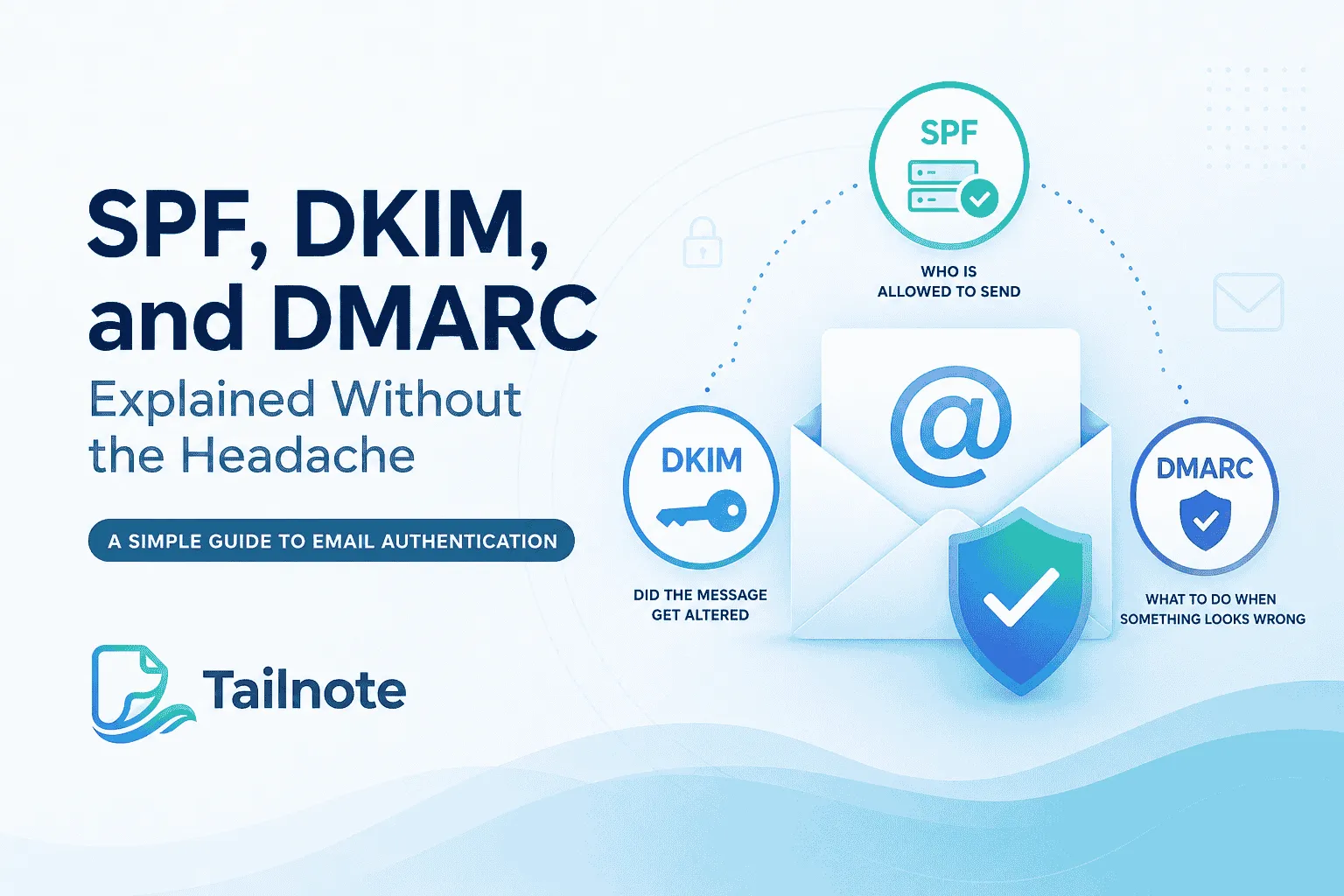
SPF, DKIM, and DMARC Explained Without the Headache
Make sure your DNS is set up for maximum email deliverability. We'll explain how this works and what you need to set up in your DNS records to ensure your emails are being read.
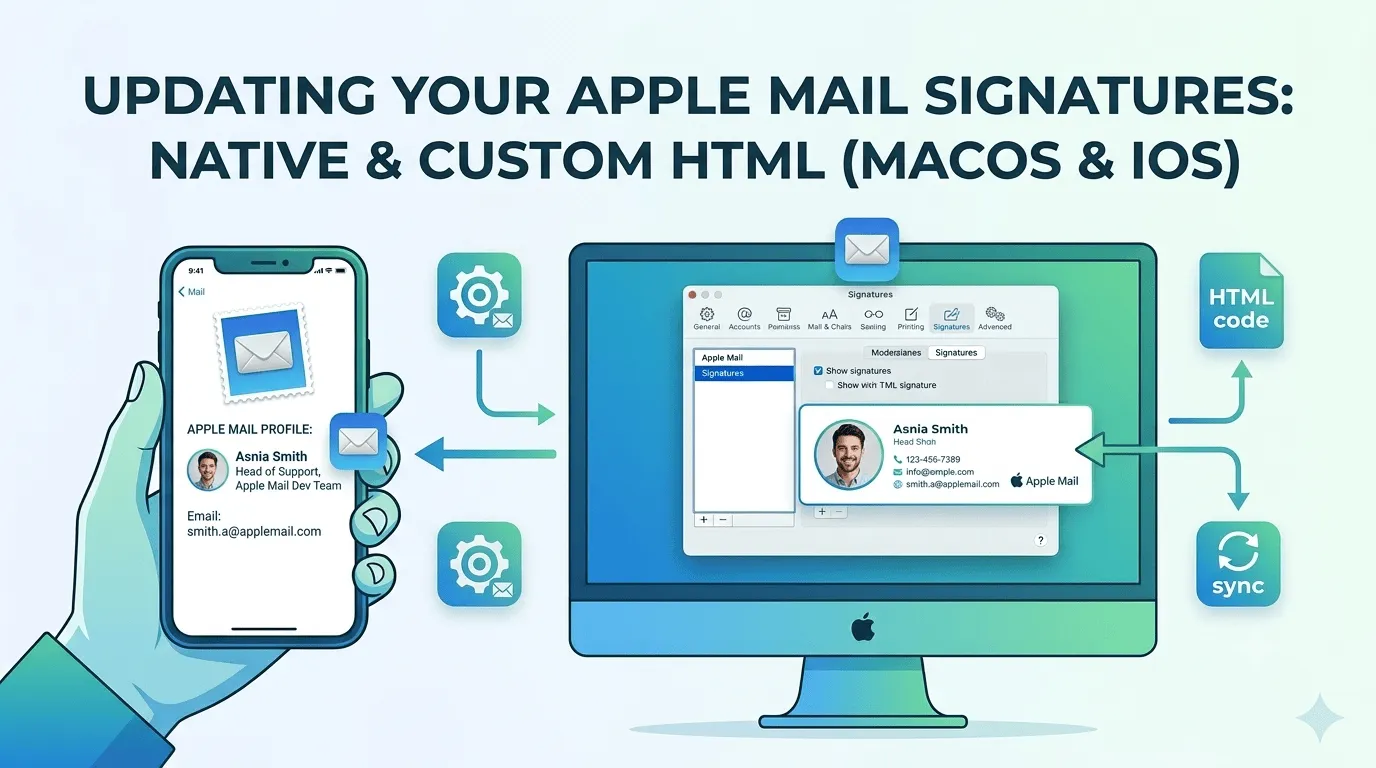
How To Setup A Custom Email Signature In Apple Mail
Updating your email signature is simple in some email clients and more difficult in others. Apple Mail is one that's on the more difficult side, especially if you want to implement a custom HTML signature. This article gives you step-by-step...
How to Change Your Email Signature in Outlook (Desktop, Web, and Mobile)
Whether you are updating your phone number, adding a new job title, or creating a more professional signature for your business, knowing how to change your Outlook email signature is an important skill.